Homeschooling Trends and Social Integration Outcomes: What Shapes Children’s Experiences?
Homeschooling is an educational choice made for many different reasons, and its social consequences vary with family circumstances and community access. To understand children’s social integration, it helps to look beyond whether they attend school and ask where they form peer relationships, develop social skills, and participate in wider community life.
How homeschooling is changing
Homeschooling includes a range of approaches and family motivations, so there is no single trend that describes every household. Changes in educational choice, technology, and local resources can shape how families organize learning and social contact.
Some families use a structured curriculum at home, while others follow child-led or project-based approaches. Many combine home instruction with classes, co-ops, online courses, or part-time enrollment in schools and community programs. These arrangements can shift over time as children’s needs, family schedules, and available services change.
Family motivations also differ. Parents may cite educational flexibility, concerns about a child’s school experience, religious or philosophical commitments, health needs, or a desire to tailor instruction to a particular learning profile. A decision made for one reason does not determine how a family will approach socialization. Some prioritize frequent group activities; others value smaller, more familiar circles.
Digital tools have expanded access to instruction and interest-based groups, but online contact is not a complete substitute for in-person interaction. The relevant question for sociology of education is how educational arrangements distribute access to relationships, institutions, and shared activities, not whether one model is inherently social.
What social integration means in a homeschooling context
Social integration in homeschooling refers to children’s opportunities to form relationships, feel a sense of belonging, develop social skills, and participate in groups and institutions. It is broader than the amount of time a child spends with same-age peers.
Several dimensions are useful to distinguish:
- Peer relationships: friendships and recurring contact with other children, including relationships across different ages.
- Belonging: feeling accepted in a group, whether that group is a sports team, neighborhood, faith community, or learning co-op.
- Social skills: practicing communication, cooperation, conflict resolution, and negotiation in real situations.
- Community participation: taking part in civic, cultural, recreational, or service activities beyond the household.
These dimensions can overlap, but they are not interchangeable. A child may have many scheduled interactions yet feel peripheral to a group; another may have a smaller circle of close friends and strong community ties. Age, temperament, disability, language, and local norms also influence what meaningful participation looks like. Assessing socialization therefore requires attention to relationship quality and inclusion, not just a count of activities.
Where homeschoolers build social connections
Homeschoolers can build social connections through family networks, neighborhood life, extracurricular activities, and shared educational settings. Which sources matter most depends on local opportunities, family choices, and the child’s interests.
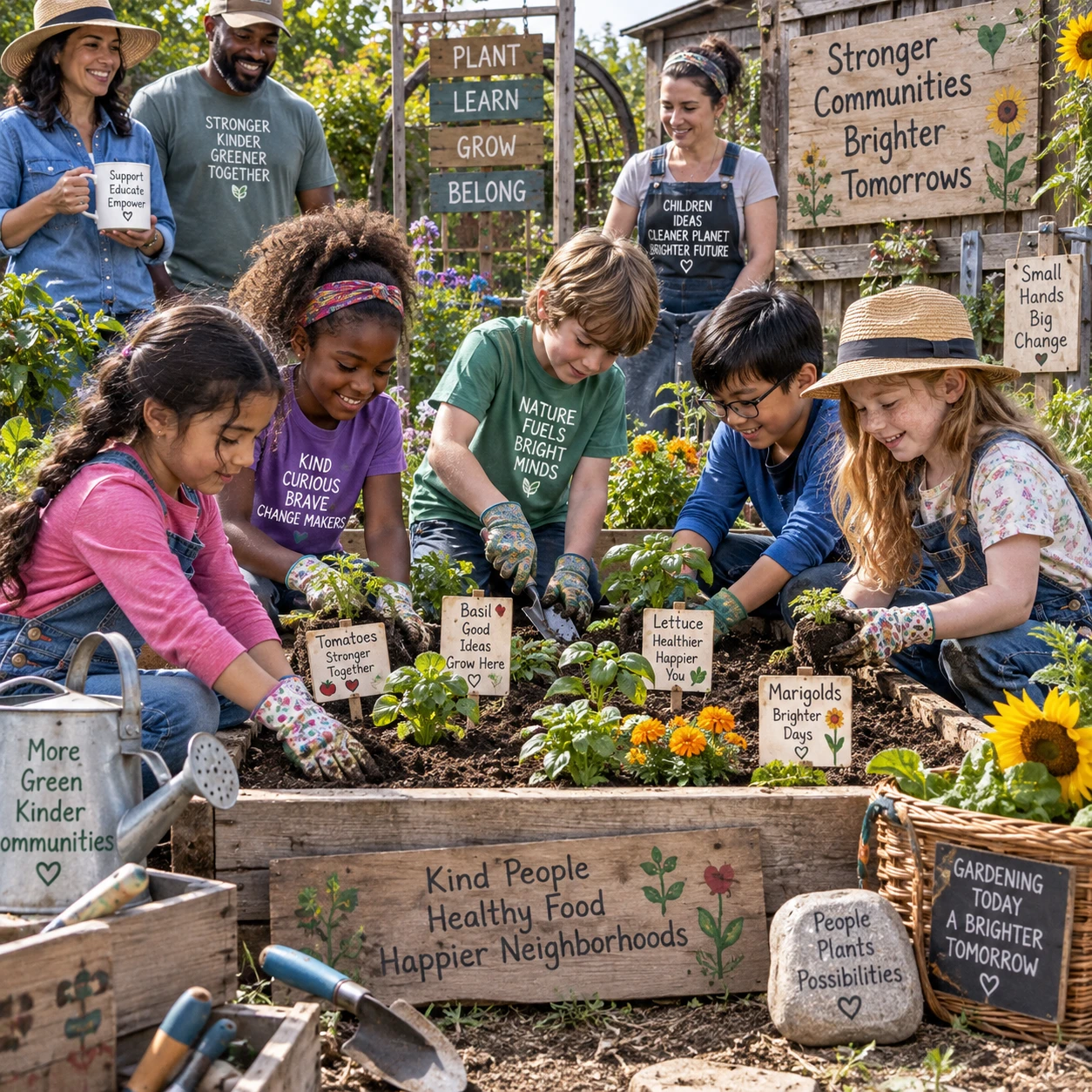
Families, siblings, relatives, and neighbors often provide regular interaction. For peer relationships beyond the household, families may use homeschool co-ops, library groups, youth organizations, arts programs, sports teams, religious communities, or volunteer projects. These settings bring children together around a shared activity, which can make conversation and cooperation easier than an unstructured introduction.
Some children also participate in school-based classes, dual-enrollment programs, or public services available to homeschoolers, where local policy permits. Online groups can help children find others with a particular interest or experience, especially in rural areas, though parents may need to consider supervision, privacy, and whether online contact leads to sustained relationships.
Regularity matters. A weekly club or team can offer repeated chances to build trust; a one-off event may provide variety but less continuity. Families can map opportunities by asking three practical questions: Is the activity accessible? Does it involve recurring contact? Does the child feel welcomed there? This simple check helps distinguish a full calendar from genuine social connection.
Factors that shape social integration outcomes
Social integration outcomes are shaped by family decisions, access to activities, local context, and the chance to see peers repeatedly. Homeschooling itself does not explain why one child finds a strong community and another has fewer connections.
Time and resources influence access. Transportation, fees, caregiver work schedules, and the availability of nearby programs can determine whether an activity is realistic. Rural families may have fewer in-person options, while urban families may face cost, travel time, or competition for places. Disability access, language, and whether organizations welcome homeschoolers can further affect participation.
Family preferences matter, too. A household may seek broad exposure to different groups or prefer a small number of familiar settings. Neither preference guarantees a particular result, but each affects the kinds of relationships children can develop. Children’s own interests and agency are important: a program chosen by an adult may not foster belonging if the child feels out of place.
For sustained peer contact, families can look for activities with stable membership and a shared purpose, then check in with the child after several sessions. Questions such as “Who did you work with?” and “Would you like to go again?” can reveal more than attendance alone. If a child wants more connection, one recurring activity may be more useful than several unrelated events.
Potential benefits and challenges
Homeschooling can create flexible routes to friendship and community participation, but it can also make access to regular peer contact more dependent on family time and local resources. Experiences differ, and neither social isolation nor social advantage should be assumed.
Some families value the ability to choose activities around a child’s interests, combine age groups, or reduce exposure to a school setting that felt difficult. These choices may support a sense of belonging when children find welcoming communities. Mixed-age groups can also create opportunities to collaborate with younger children and adults, rather than interacting only within a same-age cohort.
There are constraints. Organizing transportation and activities takes time, and families with fewer resources may have fewer choices. Children who want frequent informal contact may miss the everyday encounters that school can provide, such as talking during breaks or working with classmates over a term. In addition, a group that is available is not necessarily inclusive; bullying, social exclusion, or a poor fit can occur in extracurricular and community settings as well as schools.
A useful distinction is between opportunity and experience. A child may have many possible activities but little sense of belonging, or fewer activities but a close, supportive peer group. Families and researchers should examine both access to settings and how children experience them.
What research can tell us—and what it cannot
Research can identify patterns in homeschoolers’ social experiences, but broad conclusions depend on how studies define homeschooling and measure social integration. Findings from one sample or community cannot automatically represent all families.
Studies may include families with different approaches, motivations, durations of homeschooling, and levels of participation in outside programs. They may also measure different outcomes: number of friends, self-reported social skills, community involvement, or parental views. These measures capture related but distinct aspects of socialization.
Sampling creates another challenge. Families who volunteer for a study may differ from those who do not, and research based in one region may reflect local laws and services. Comparisons with school-enrolled children also need care. Differences in age, income, family structure, prior school experience, and access to activities can influence outcomes independently of educational setting.
For sociology of education, the strongest interpretation is contextual: ask which children are studied, what forms of participation are counted, and what comparison is being made. Social integration is not a single score. Better evidence follows children over time, includes children’s perspectives, and distinguishes the educational arrangement from the resources and relationships surrounding it.
Frequently asked questions
Does homeschooling limit children’s opportunities to make friends?
It can reduce routine contact with classmates, but it does not automatically prevent friendships. Co-ops, neighborhood groups, extracurricular activities, and community programs can provide recurring peer contact. Access and fit vary by family and location.
What kinds of social experiences can homeschoolers access?
Depending on local availability, homeschoolers may join sports, arts programs, clubs, volunteer projects, religious or cultural groups, co-ops, and school-based courses. Regular participation in a welcoming setting can support stronger relationships than occasional contact alone.
Do social integration outcomes differ across homeschooling approaches?
They may, because approaches can shape schedules, group participation, and the amount of structured instruction outside the home. However, family resources, community context, and children’s preferences also matter, so an approach by itself does not determine an outcome.
Why is it difficult to draw broad conclusions about homeschoolers’ socialization?
Homeschooling covers diverse families and educational arrangements, while studies use different samples and measures. Researchers must distinguish peer contact, belonging, social skills, and community participation before comparing results.